


What is E-commerce Service? Complete Guide for Beginners (2026)
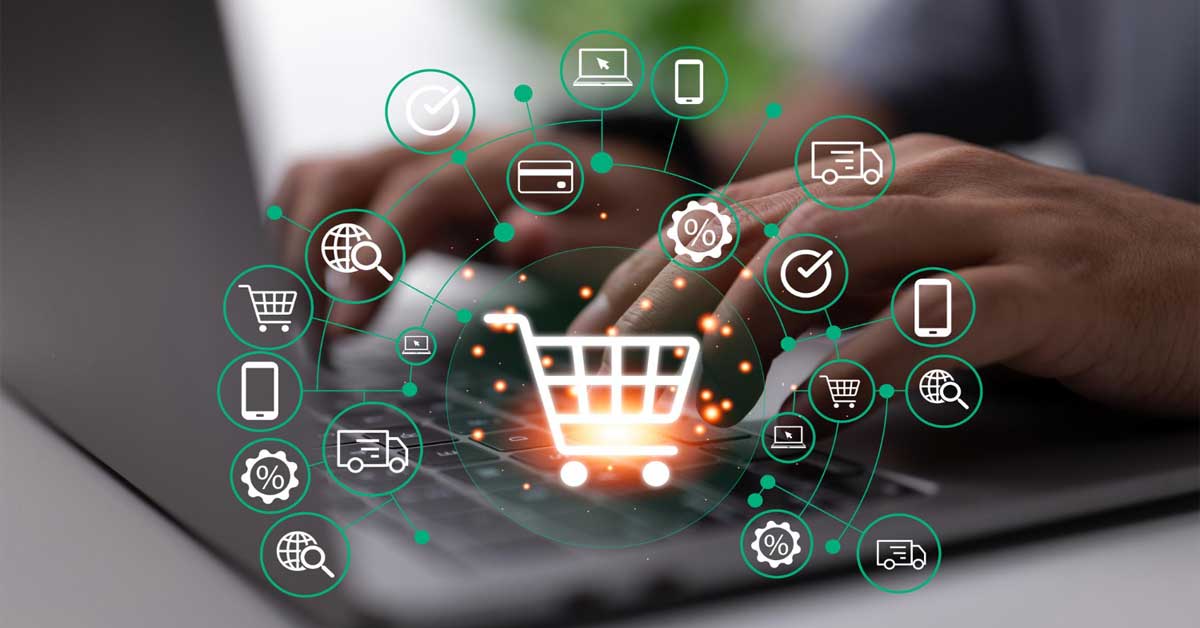
In today’s digital-first economy, businesses are rapidly moving online—and at the center of this transformation lies the E-commerce Service. Whether you’re a startup owner, small business entrepreneur, or someone exploring online selling for the first time, understanding how e-commerce services work can completely change the way you build and grow your business.
Global e-commerce continues to expand at an incredible pace. In 2023 alone, online retail sales reached $5.8 trillion, and this number is projected to grow significantly in the coming years. With billions of people shopping online and mobile commerce dominating purchases, it’s clear that e-commerce is no longer optional—it’s essential.
This complete beginner-friendly guide will help you understand what an E-commerce Service is, how it works, the different types, real-world examples, and how you can leverage it to build a successful online business.
What is E-commerce Service?
An E-commerce Service refers to a set of tools, technologies, and professional solutions that help businesses create, manage, operate, and grow an online store. While e-commerce itself means buying and selling products or services online, e-commerce services provide the infrastructure and expertise needed to make that process efficient and scalable.
These services can include website development, payment integration, product management, digital marketing, logistics support, and customer experience optimization. Instead of handling everything manually, businesses rely on e-commerce services to streamline operations and deliver a seamless shopping experience.
In simple terms, e-commerce is the activity, and e-commerce service is the system that makes it possible.

How Does Ecommerce Work?
Understanding how does ecommerce work is crucial for beginners. The process may seem complex, but it follows a structured flow that ensures smooth transactions between businesses and customers.
When a customer visits an online store, they browse through products listed on the website or app. After selecting a product, they add it to their cart and proceed to checkout. At this stage, they provide shipping details and choose a payment method such as UPI, card, or digital wallet. Once the payment is completed, the order is processed by the business.
The backend system then handles inventory updates, order confirmation, and shipping arrangements. The product is dispatched and delivered to the customer, often with tracking updates along the way. This entire process is powered by e-commerce services that integrate front-end user experience with backend operations.
Types of Ecommerce
To fully understand online business models, it’s important to explore the types of ecommerce. Each type represents a different relationship between buyers and sellers.
Business-to-Consumer (B2C) is the most common model where businesses sell directly to customers. When someone buys a smartphone from an online store, it falls under B2C.
Business-to-Business (B2B) involves transactions between companies. For example, a business purchasing software or services from another company operates under this model.
Consumer-to-Consumer (C2C) platforms allow individuals to sell products or services to each other. Marketplaces where people sell used items are classic examples.
Consumer-to-Business (C2B) flips the traditional model, where individuals offer services or products to businesses, such as freelancers providing digital services.
There are also emerging models like C2G (Consumer-to-Government) and B2A (Business-to-Administration), which involve interactions with government systems and public services.
E-commerce Examples
Looking at real e-commerce examples helps beginners understand how these systems operate in the real world.
Global giants like Amazon started as a simple online bookstore and evolved into a massive marketplace offering everything from electronics to groceries. Flipkart, one of India’s leading platforms, revolutionized online shopping in the country by offering a wide range of products with fast delivery. eBay introduced the concept of online auctions, allowing users to buy and sell goods globally.
Fashion-focused platforms like Myntra have built niche dominance, while Alibaba connects businesses worldwide through wholesale and retail marketplaces.
These examples highlight how different e-commerce models can scale into global businesses with the right strategy and services.
What Services Are Included in E-commerce Service?
An effective E-commerce Service is not just about building a website—it covers the entire ecosystem of online selling.
At the foundation is website or store development, where platforms like Shopify, WooCommerce, or Magento are used to create user-friendly online stores. Then comes payment gateway integration, enabling secure transactions through UPI, cards, and wallets.
Another critical component is inventory and order management, which ensures products are tracked, orders are processed efficiently, and stock levels are updated in real time. Logistics and shipping services handle delivery operations, while customer support systems ensure buyers receive assistance when needed.
Marketing services, including SEO, social media, and paid advertising, play a crucial role in driving traffic and increasing sales. Together, these components form a complete e-commerce service ecosystem.
What is Ecommerce Managed Service?
An ecommerce managed service is a comprehensive solution where a third-party provider handles the technical, operational, and marketing aspects of your online store. Instead of managing everything yourself, experts take care of website maintenance, updates, security, performance optimization, and even digital marketing.
This is especially useful for businesses that want to focus on growth and sales without dealing with technical complexities. Managed services ensure that your e-commerce platform runs smoothly, remains secure, and adapts to changing market demands.
For beginners, this approach significantly reduces the learning curve and allows faster scaling.

Benefits of Using E-commerce Services
Using professional E-commerce Service solutions provides several advantages that can directly impact business success.
One of the biggest benefits is 24/7 availability, allowing customers to shop anytime without restrictions. Businesses also gain access to a global audience, removing geographical limitations and expanding market reach.
Operational costs are often lower compared to physical stores, making e-commerce a cost-effective solution. Additionally, advanced tools enable personalized shopping experiences, where customers receive recommendations based on their behavior.
Another key advantage is flexibility. Businesses can quickly update products, adjust pricing, and launch campaigns in real time, making them more responsive to market trends.
Challenges in E-commerce
While e-commerce offers numerous benefits, it also comes with challenges that businesses must address.
One major issue is the lack of physical interaction, which can make it difficult for customers to evaluate products before purchasing. Delivery delays and logistics issues can also impact customer satisfaction.
Security concerns, such as data breaches and payment fraud, require businesses to invest in secure systems and technologies. Additionally, the competitive nature of online markets means businesses must continuously optimize their strategies to stand out.
Despite these challenges, the right e-commerce services can help overcome most obstacles effectively.
Latest Trends in E-commerce Services
The e-commerce industry is constantly evolving, driven by technology and changing consumer behavior.
Mobile commerce continues to dominate, with a significant percentage of users shopping through smartphones. Social commerce is also rising rapidly, allowing businesses to sell directly through platforms like Instagram and Facebook.
Artificial Intelligence (AI) is transforming personalization, customer service, and inventory management. Automation tools are streamlining operations, reducing manual work, and improving efficiency.
Another emerging trend is omnichannel selling, where businesses integrate multiple platforms to provide a seamless customer experience across websites, apps, and social media.
Top E-commerce Service Providers
Choosing the right service provider is crucial for success. Here are some notable companies offering e-commerce services:
1. TechnoEntity
A growing digital solutions provider offering end-to-end e-commerce services, including website development, SEO, and digital marketing strategies tailored for businesses.
2. Shopify Experts
A network of professionals specializing in building and optimizing Shopify stores for businesses of all sizes.
3. BigCommerce Partners
Agencies that provide scalable solutions for enterprises looking to expand their online operations.
4. WooCommerce Development Agencies
These agencies focus on customizable WordPress-based e-commerce solutions, offering flexibility and control.
How to Choose the Right E-commerce Service
Selecting the right E-commerce Service depends on your business goals, budget, and technical requirements.
Start by identifying your needs—whether it’s a simple online store or a fully customized platform. Evaluate the scalability of the service to ensure it can grow with your business. Consider ease of use, integration capabilities, and support services.
Security features and payment options should also be a priority, as they directly impact customer trust. Finally, compare pricing and long-term value rather than just upfront costs.
Making the right choice at the beginning can save time, money, and effort in the long run.
Conclusion
The rise of digital commerce has made E-commerce Service an essential part of modern business strategy. From building online stores to managing operations and driving sales, these services provide everything needed to succeed in the competitive online marketplace.
Understanding how does ecommerce work, exploring different types of ecommerce, and learning from real e-commerce examples can help beginners make informed decisions and start their journey with confidence.
As technology continues to evolve, businesses that leverage the right e-commerce services will not only survive but thrive in the digital economy.